
How to Choose the Right Skin Whitening Cream for Your Skin Type
September 12, 2025 2025-09-12 16:37How to Choose the Right Skin Whitening Cream for Your Skin Type

How to Choose the Right Skin Whitening Cream for Your Skin Type
Skin whitening creams are now among the most widely used skincare products for attaining a more radiant and balanced skin tone. The correct cream can have a noticeable impact on your skincare journey, from improving overall brightness to decreasing pigmentation and dark spots. But not all products are created equal; what works well for dry skin could irritate sensitive skin, and what works well for oily skin might make combo skin feel oily.
Knowing your skin type is therefore the first and most crucial step in selecting a whitening lotion.
Understanding Skin Whitening Creams
Skin whitening creams are skincare products that are carefully made to minimize pigmentation, tanning, dark spots, and uneven skin tone. Melanin, the pigment that gives skin its color, is the target of their action. Problems, including uneven skin, hyperpigmentation, and dullness, are frequently caused by excessive melanin production. Whitening lotions help counteract this by whitening the complexion and reducing the generation of melanin.
Typical Whitening Cream Active Ingredients
- Vitamin C is a potent antioxidant that lightens and minimizes dark spots on the skin.
- Vitamin B3, niacinamide, helps to build the skin barrier and lighten pigmentation.
- Naturally occurring from fungi, kojic acid is useful in lowering the production of melanin.
- Arbutin is a safe substitute for hydroquinone that aids in the progressive fading of pigmentation.
- A natural brightening ingredient that calms and lessens discolouration is licorice extract.
- Alongside whitening agents, hyaluronic acid and glycerin are frequently used for moisture.
The Function of Whitening Creams
- Stop the Production of Melanin: Avoid too much pigmentation.
- Exfoliate: Exfoliate dead skin cells to expose brighter, more youthful skin beneath.
- Protect Against UV Damage: To stop more darkening, several products contain SPF.
- Encourage Even Skin Tone: Consistent application will lead to a gradual improvement.
Why Skin Type Matters in Choosing Whitening Creams
Your skin is unique, and so are all skin-whitening products. Each skin type reacts differently to various chemicals and has unique demands and sensitivities. Irritation, outbreaks, or even worsening pigmentation might result from using the wrong lotion for your skin type. Knowing your skin type is therefore essential before choosing a whitening product.
Lightweight, non-comedogenic, gel-based solutions are preferable to heavy or greasy creams since excessive sebum production on oily skin frequently results in acne and plugged pores. However, because dry skin feels tight, flaky, and rough, it requires rich, nourishing creams that contain moisturizing elements like glycerin and hyaluronic acid instead of products that contain alcohol. Gentle, hypoallergenic, and dermatologist-tested whitening creams are safer choices because harsh active ingredients, powerful chemicals, and scents can easily irritate sensitive skin.
Those with combination skin—where the T-zone is oily and cheeks are dry—should look for balanced formulas that control oil without stripping moisture, with ingredients like niacinamide and vitamin C. Finally, normal skin is generally well-balanced and can adapt to most whitening creams, with the focus being on maintenance and enhancing natural radiance.
Best Whitening Creams for Each Skin Type
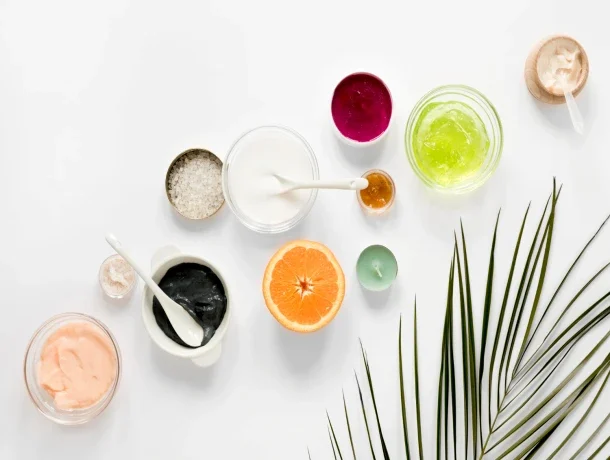
The particular requirements of your skin play a major role in selecting the best skin-whitening cream. A lightweight, oil-free cream or gel-based solution that manages excess sebum without clogging pores is the best choice for oily skin. Vitamin C, aloe vera, and niacinamide are some of the ingredients that successfully brighten and maintain the freshness of the skin. Hydrating and nourishing lotions are crucial for dry skin. To restore moisture and lessen dullness, look for products enhanced with glycerin, shea butter, or hyaluronic acid in addition to brightening ingredients.
Those with sensitive skin should stay away from harsh chemicals like hydroquinone and instead choose hypoallergenic, soft formulas. Aloe vera, vitamin E, and natural ingredients offer a more gentle brightening effect without irritating skin. The finest creams for mixture skin are those that balance oil in the T-zone and moisturize the dry areas. Effective whitening advantages without imbalance are provided by ingredients like vitamin C, niacinamide, and licorice extract. Last but not least, picking a product with proven brightening actives like kojic acid, arbutin, or vitamin C will help preserve brightness and even tone because normal skin is the most versatile and can tolerate a wide range of whitening creams.
Key Factors to Consider Before Buying
Before purchasing a skin whitening cream, it’s important to look beyond just the promise of fairer skin and focus on factors that ensure safety and effectiveness. The first thing to check is the ingredients—look for clinically proven actives like vitamin C, kojic acid, niacinamide, or arbutin, while avoiding harmful substances such as mercury or steroids. Another essential factor is SPF protection, since creams with built-in sun defense help prevent further pigmentation caused by UV exposure. You should also consider the brand’s reputation and opt for dermatologist-recommended or clinically tested products, as they are more likely to deliver safe and reliable results.
It’s also crucial to conduct a patch test to detect any possible allergies or irritation before using the cream all over your face. Finally, consider long-term safety. Rather than being a temporary solution, skin whitening should be a progressive and sustainable process. Your skin will look brighter and more radiant without sacrificing its natural balance if you choose a cream that is appropriate for your skin type, has a reliable formulation, and emphasizes general skin health.
Conclusion
Finding a skin whitening cream recipe that complements your skin type is more important than simply selecting the most well-liked item on the aisle. Regardless of your skin type—oily, dry, sensitive, combination, or normal—the correct chemicals can have a big impact on safety and outcomes. Always keep in mind that getting lighter, more balanced skin is a long process that calls for patience, consistency, and defense against additional harm, particularly from the sun.
You can get safe and efficient whitening outcomes by concentrating on high-quality substances, getting dermatologist approval, and attending to the particular requirements of your skin. The best whitening lotion is only one step toward keeping a radiant, self-assured complexion; after all, healthy skin is beautiful skin.